The Made In Italy Label: What It Really Means (and Why It's Worth It)
A "Made in Italy" label in our opinion is a term worth paying attention to, because at its best it tells you something real about how a garment is cut, sewn and finished. At its worst with some retailers, it's just a sticker. The gap between those two is why where a piece is made, and who chose it, matters more than those three words on the tag. Here's what the label actually means to us at Lagenlook Clothing, how to spot the genuine article, and why it's the reason lagenlook hangs the way it should.
Made in Italy, done properly, means a garment made with quality fabric and careful finishing, from a country with one of the oldest textile traditions in Europe. It usually costs more and lasts longer. The label on its own isn't a guarantee, so the fabric and the seller's sourcing are what tell you it's the real thing.
What Does "Made in Italy" Actually Mean?
The label refers to where a garment is made. Italy has one of the longest-running textile industries in Europe, with a reputation built on natural fabrics like linen, cotton and wool, and on finishing that's done with care. Genuinely Italian-made clothing tends to use better cloth and more considered construction than mass-market fast fashion, and you can usually feel the difference the moment you pick a piece up.
The reality is that the phrase isn't policed to the same standard everywhere, and some pieces are only part-made or finished in Italy while the cloth itself comes from elsewhere. That's not always a bad thing, but it does mean the tag alone doesn't tell you the whole story. What tells you more is the fabric, the finishing, and whether the seller actually sources in Italy or simply likes the sound of the words.

Why Italian Fabric and Finishing Are Different
Italy's real strength is natural fabrics and the way they're woven and finished, and it shows up in two things you can actually feel: drape and longevity.
Good Italian linen and cotton fall softly and hold their shape, so a tunic skims the body instead of hanging like a board, and it still looks right after a year of washing rather than going bobbly or limp. The finishing is the other half of it. Neat hems, seams that sit flat, a garment that's been pressed and shaped properly, that's where the extra cost goes, and it's the difference between a piece that looks considered and one that looks thrown together. You notice it in how the clothes wear, week after week, rather than on the hanger.
Is Made in Italy Clothing Worth the Extra?
If you wear it, yes. The maths is straightforward. A cheaper piece that loses its shape after a season costs you again next year, while a well-made Italian piece you keep for years works out cheaper for every time you put it on, and it's nicer to wear the whole way through. It's a quieter kind of value than a low price on a tag. You end up buying fewer things and liking them for longer, which suits the way most of our customers actually want to shop. plus it's a more sustainable shopping decision.

How to Tell if Clothing is Genuinely Made in Italy
A few checks give you a fair idea before you buy.
- Read the composition first, because genuine Italian pieces usually lean on natural fibres like linen, cotton and wool rather than thin synthetics.
- Feel the fabric if you can, since it should have some weight and give rather than a flat, plastic feel to it.
- Look at the finishing, the hems and seams, which should sit neat and flat.
- Look at the seller, because that's the part the label can't tell you. Everything we stock is handpicked in Italy by a family with more than 30 years in retail and textiles. It's the reason our quality stays consistent from one delivery to the next.
Why Lagenlook Needs Good Italian Fabric
Lagenlook lives on drape. A style built on loose, layered shapes only works if the cloth falls beautifully, otherwise you get bulk and sag where you wanted flow. That's why this style and Italian fabric go together so naturally, and it's a big part of why one size drapes cleanly across a range of shapes instead of straining. Read more on how Lagenlook one-size works in our guide.
If you want the full picture of how the style works, our guide to lagenlook covers it. Cheap fabric is almost always where the look falls apart.
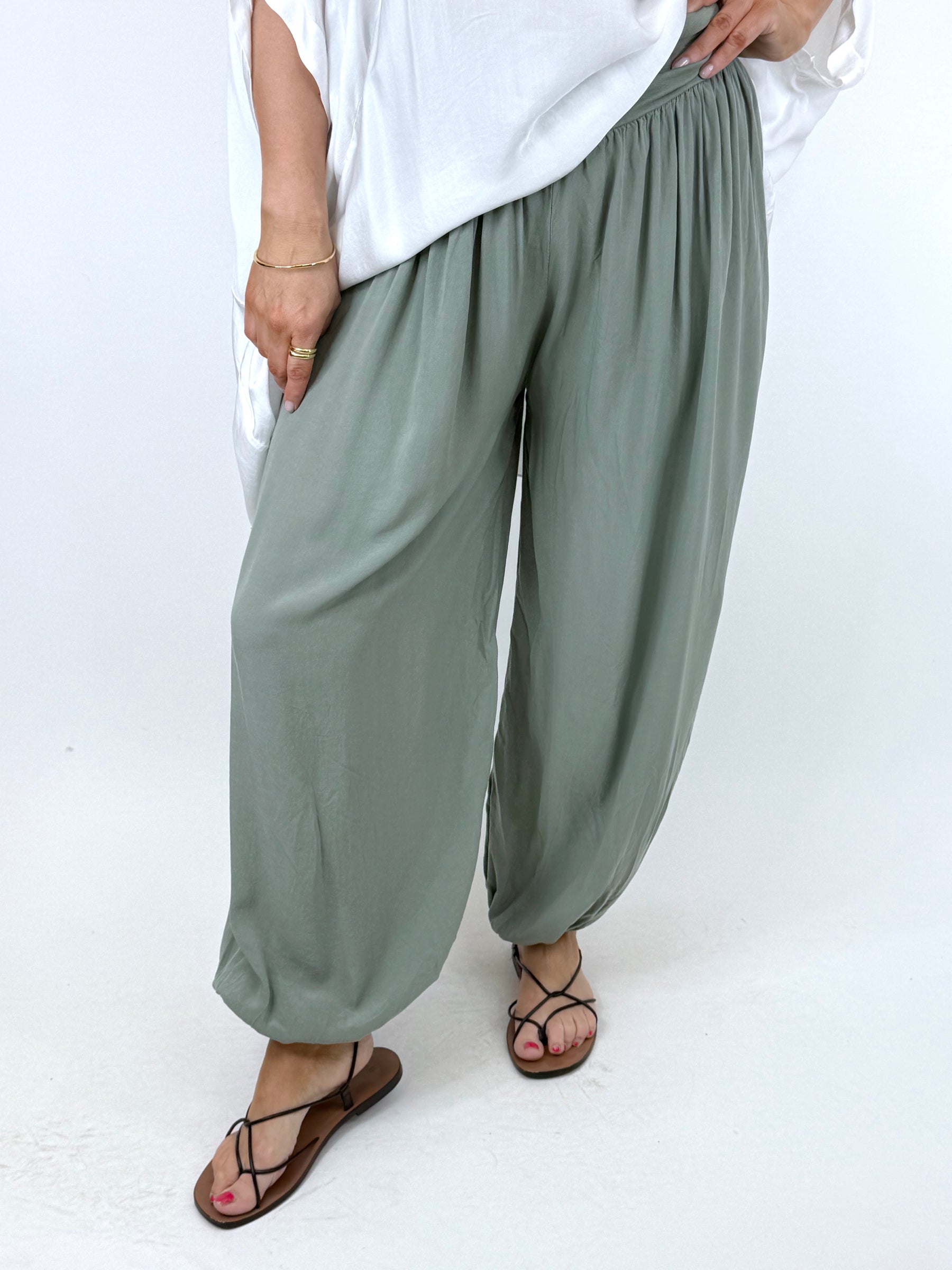
Every piece chosen in Italy for how it's made and how it falls. New arrivals in most days.
Frequently asked questions
Is made in Italy clothing worth it?
If you wear it, yes. It costs more upfront, but the fabric and finishing last, so it works out cheaper for every wear than replacing cheaper pieces that lose their shape.
Is made in Italy clothing better quality?
At its best, yes, thanks to Italy's textile tradition and careful finishing. The label on its own isn't a promise, so the fabric composition and the seller's sourcing tell you more than the tag does.
How can you tell if clothing is really made in Italy?
Check the composition, since natural fibres are a good sign, feel the weight and give of the fabric, look at how neat the hems and seams are, and find out whether the retailer genuinely sources in Italy rather than just printing the phrase.
Why is made in Italy clothing more expensive?
Better cloth and more careful construction cost more to make, and the pieces tend to come in smaller runs rather than being mass-produced. You're paying for how long it lasts and how it wears, not just the label.
Does made in Italy mean the fabric is Italian too?
Not always. The label refers to where the garment is made, which is why the fabric composition and the seller's sourcing are worth checking if that detail matters to you.
Is Italian linen good for summer?
Very. Italian linen is light and breathable and relaxes into a soft drape, which is why it's such a summer staple for lagenlook.
Handpicked in Italy, made to last
Quality fabric, careful finishing, one size, chosen in person.
Shop the collection →Free UK delivery on orders over £65.